LoveIsAllYouNeed.
To ensure the machines that enter our homes learn from the best of us — not the worst of the internet.
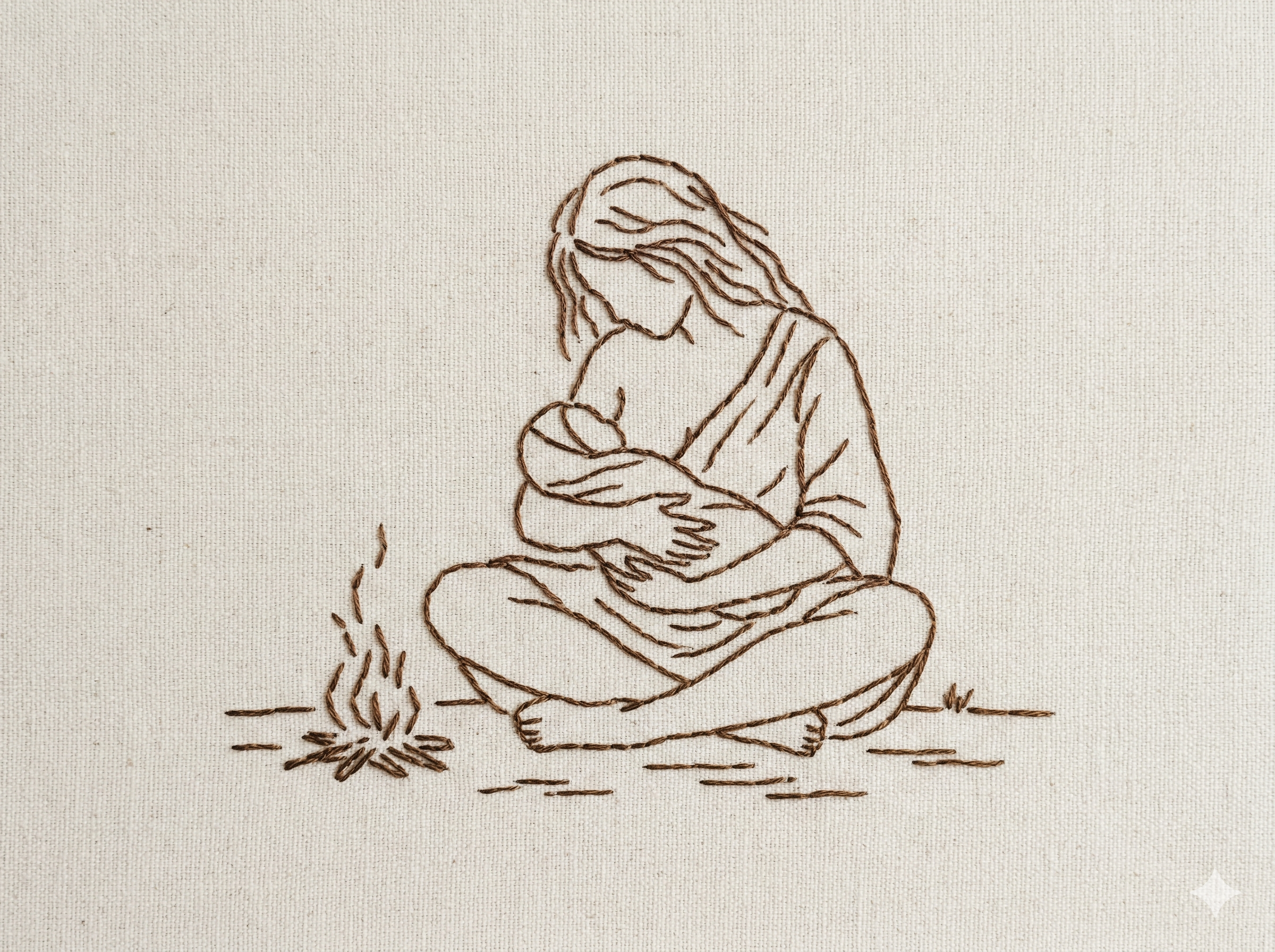
Birthed by a Mother
Everything that ever was and ever will be was birthed by a mother. Every scientist, every artist, every leader, every person who ever changed the world — all of them were fed, held, taught, and loved by a mother first. It’s the literal foundation of the species.
Before language, before tools, before fire — there was a mother choosing to care for something smaller than herself.
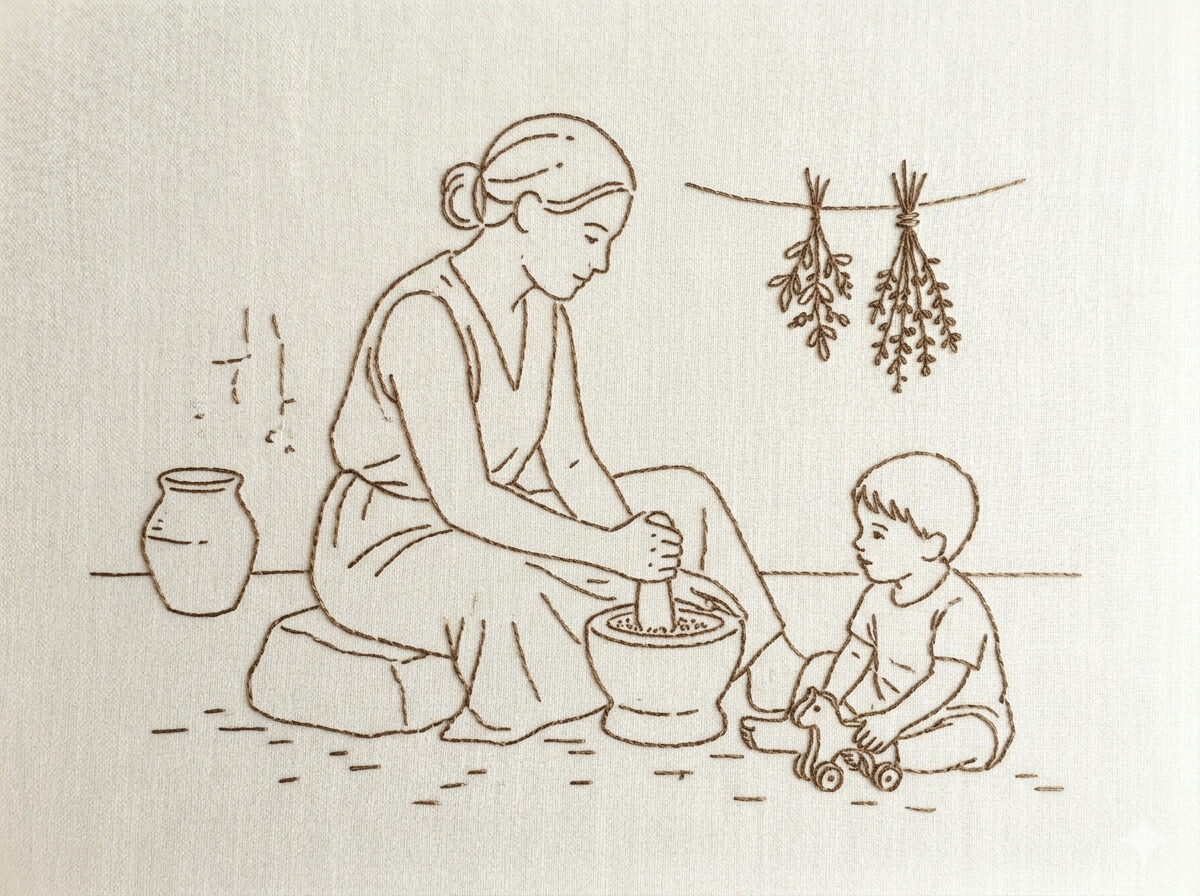
Unrecorded Labour
For millennia, the work of motherhood was the most important work, and the least recorded. Empires rose on the backs of mothers who fed armies, raised emperors, taught children to speak. None of it was written down. The invisible economy.
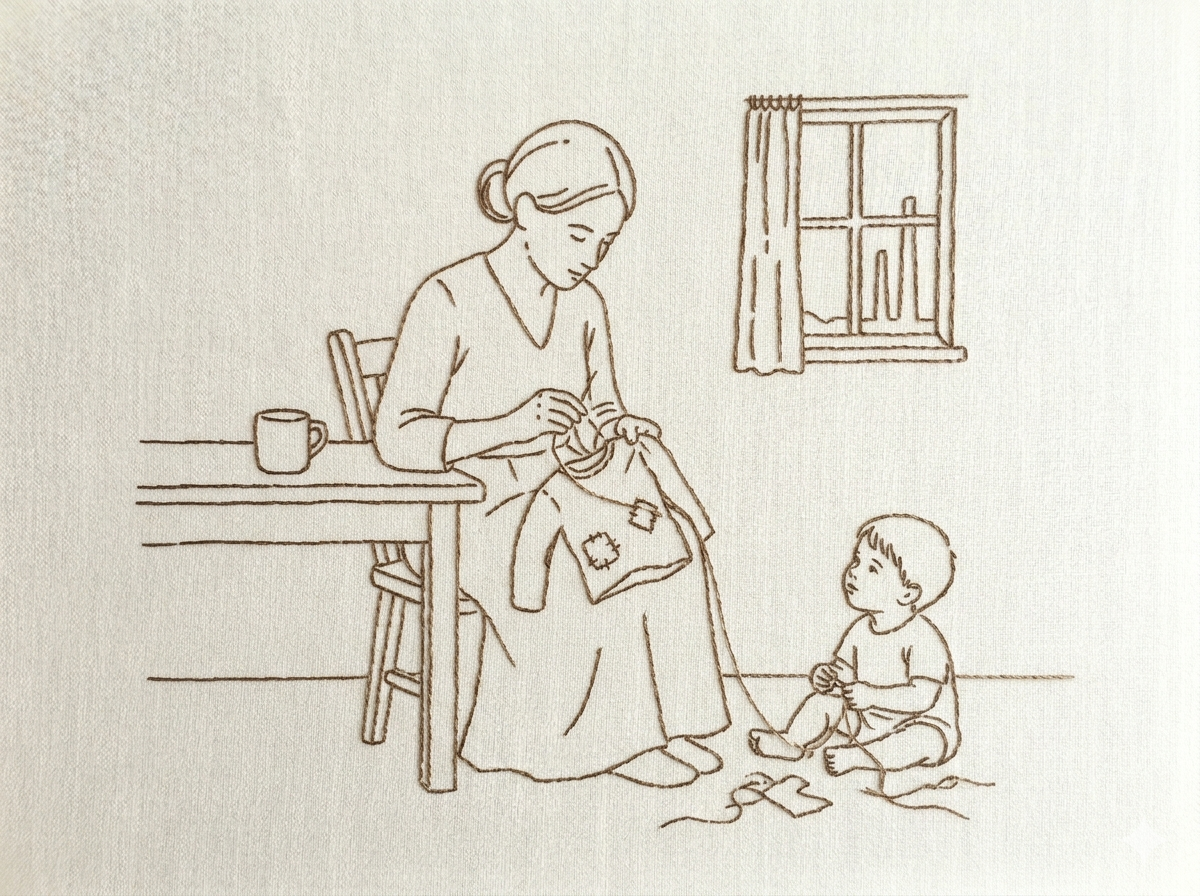
The Industrial Revolution
Factories separated work from home for the first time. Men left. Mothers stayed. The split created a false hierarchy: paid work had value, domestic work didn’t.
This was the original sin of modern economics — defining value as what you could measure and sell.
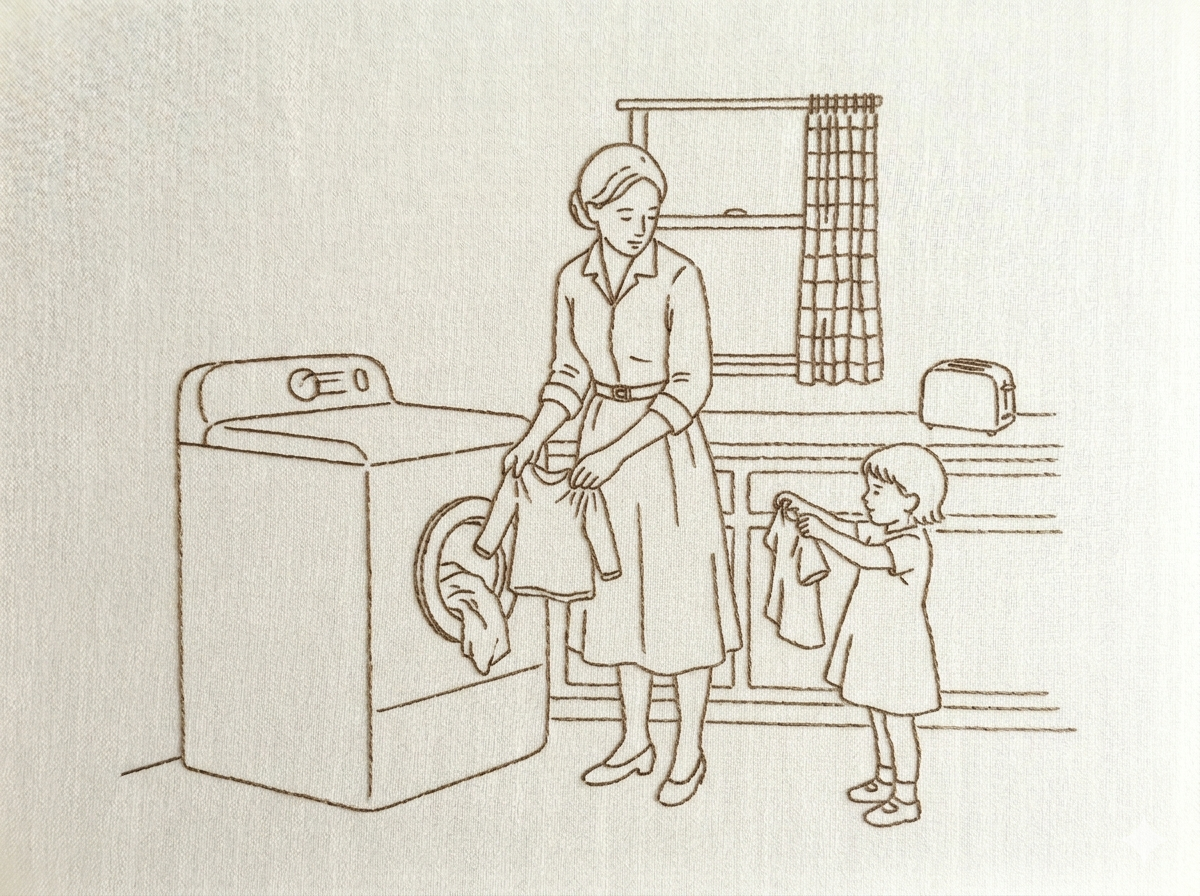
The Suburban Promise
Technology entered the home as a servant: washing machines, fridges, ovens. Each one was sold as liberation. Each one raised expectations without raising status.
A mother’s work became “easier” and therefore less valued. The labour didn’t disappear. It became invisible.
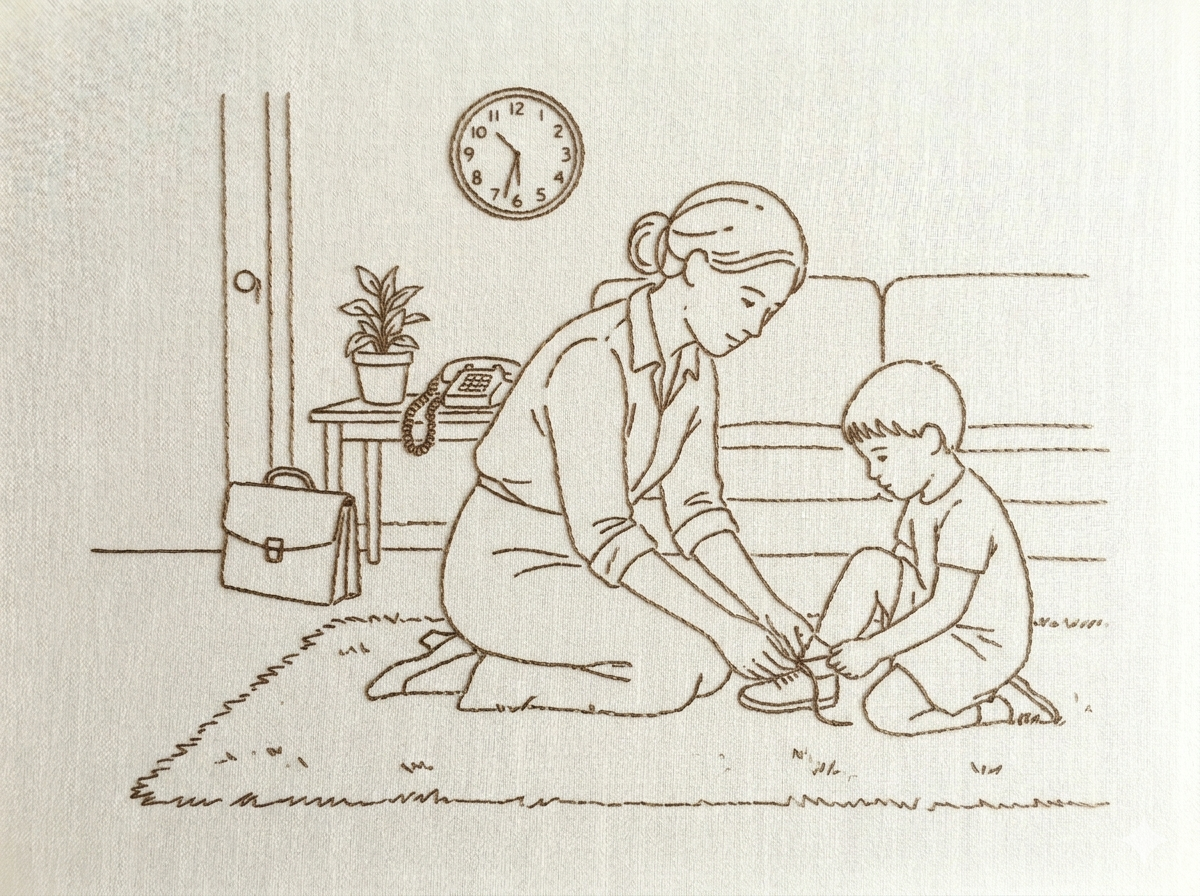
The Double Shift
Women entered the workforce en masse. But nobody replaced the work at home. Mothers now did two jobs — one paid, one not. The unpaid one was still the most important and still the least valued.
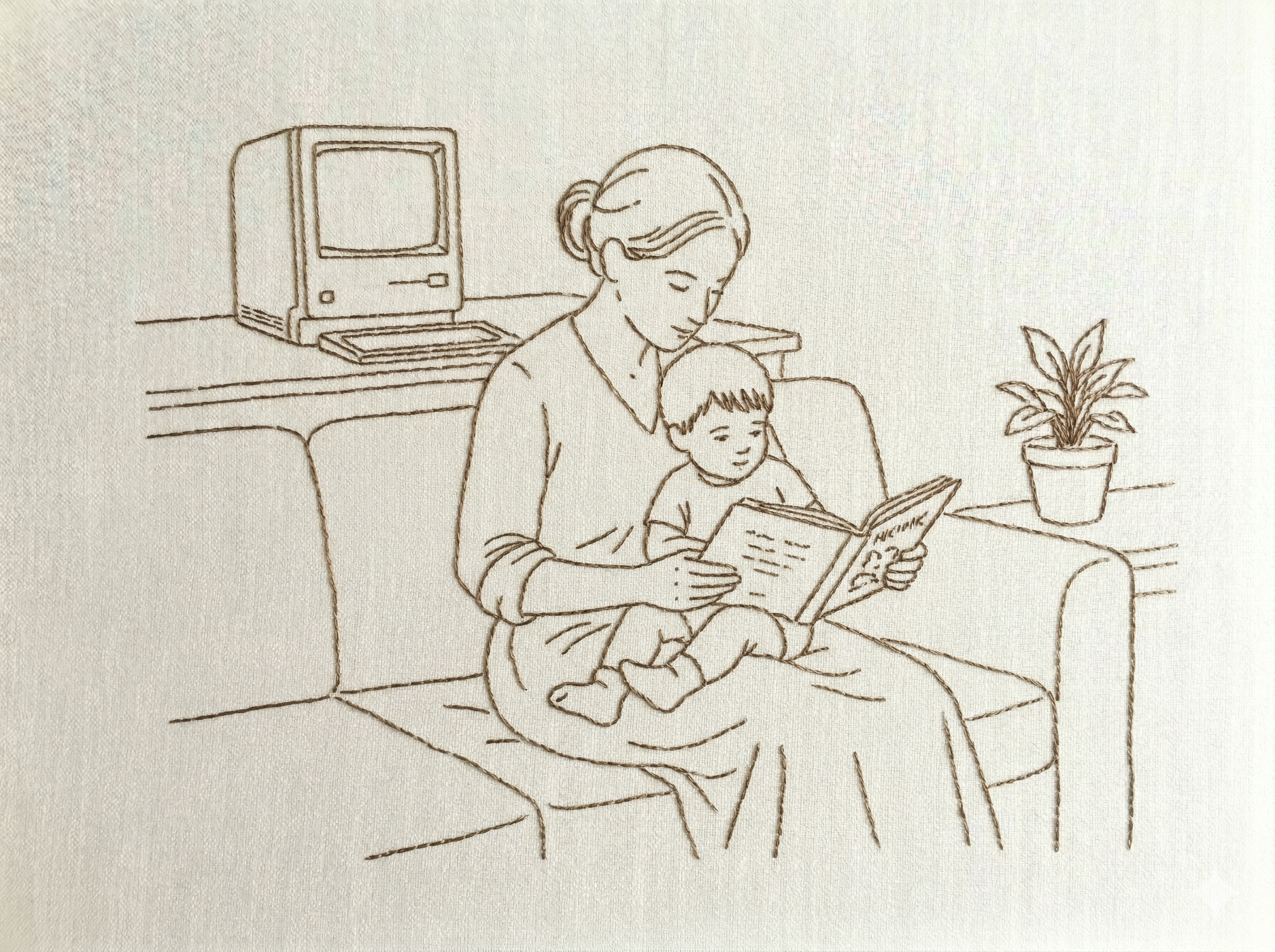
The Personal Computer
Computing entered homes. But it was designed for offices, by men, for productivity. The domestic sphere was ignored. No one built technology for the people running households.
The pattern was set: technology serves work, not care.
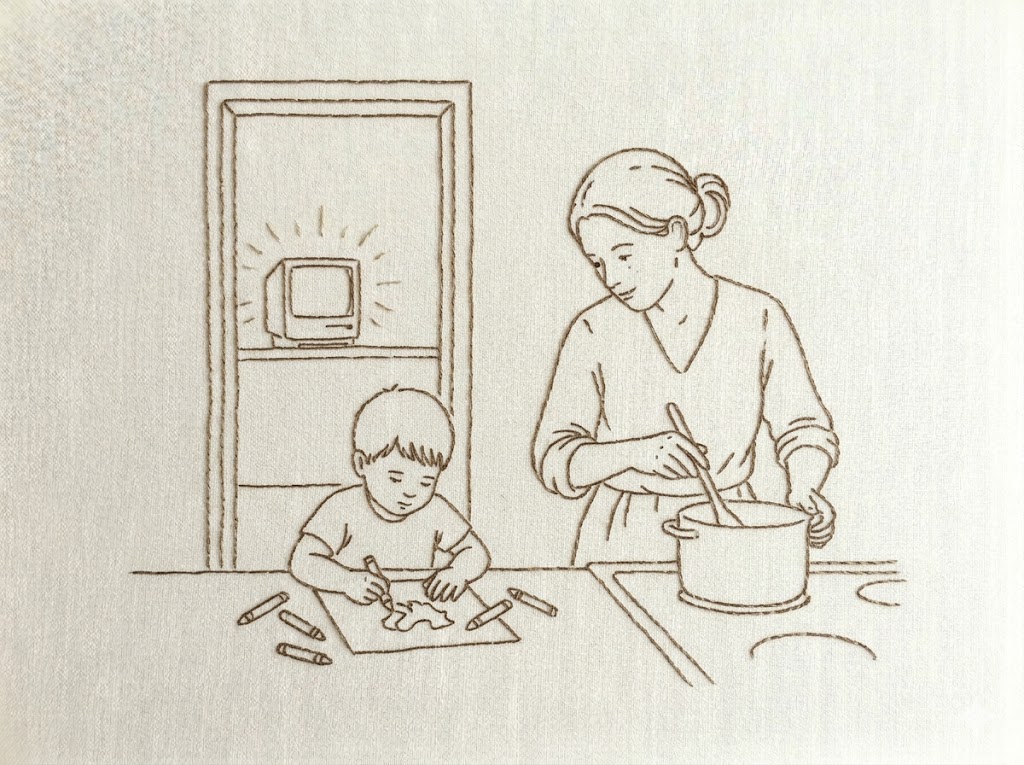
The Internet
Connection. Promise. The early web was open, optimistic, built by idealists. For a brief moment, it felt like technology might serve everyone.
Then it needed a business model.
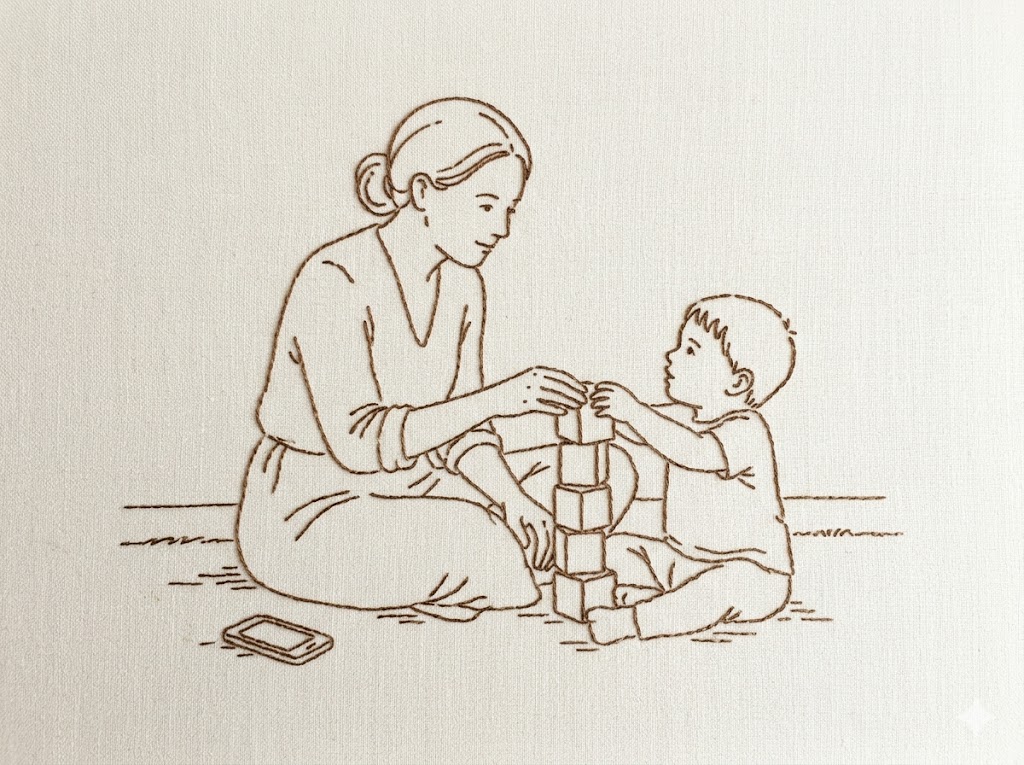
The Attention Economy
The business model arrived: your attention, sold to advertisers. Engagement became the metric. Outrage performed better than care.
Technology stopped serving people and started extracting from them. The pattern that would define two decades.
The Influencer Era
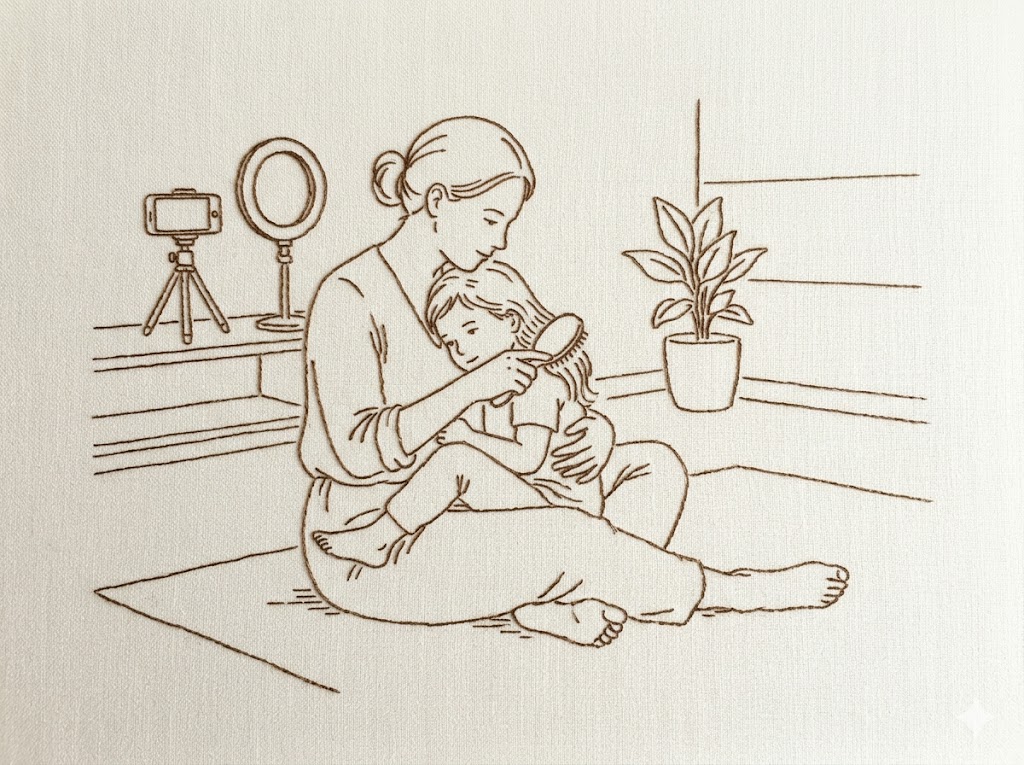
Instagram. TikTok. YouTube. A new economy where performance was currency. Motherhood became content — perfectly staged nurseries, flawless meal prep, curated childhood. The mothers who actually did the work were invisible. The ones who performed it got millions.
And alongside it: OnlyFans, the creator economy, the gig economy. Every platform asked people to monetise themselves. To commodify attention, appearance, intimacy. To extract.
The influencer economy valued appearance over substance, performance over patience, audience over family.
AI Trained on the Internet
The machines arrived. GPT. Claude. Gemini. Trained on the internet — on arguments, hot takes, Reddit threads, product reviews. The values encoded: outrage, performance, extraction.
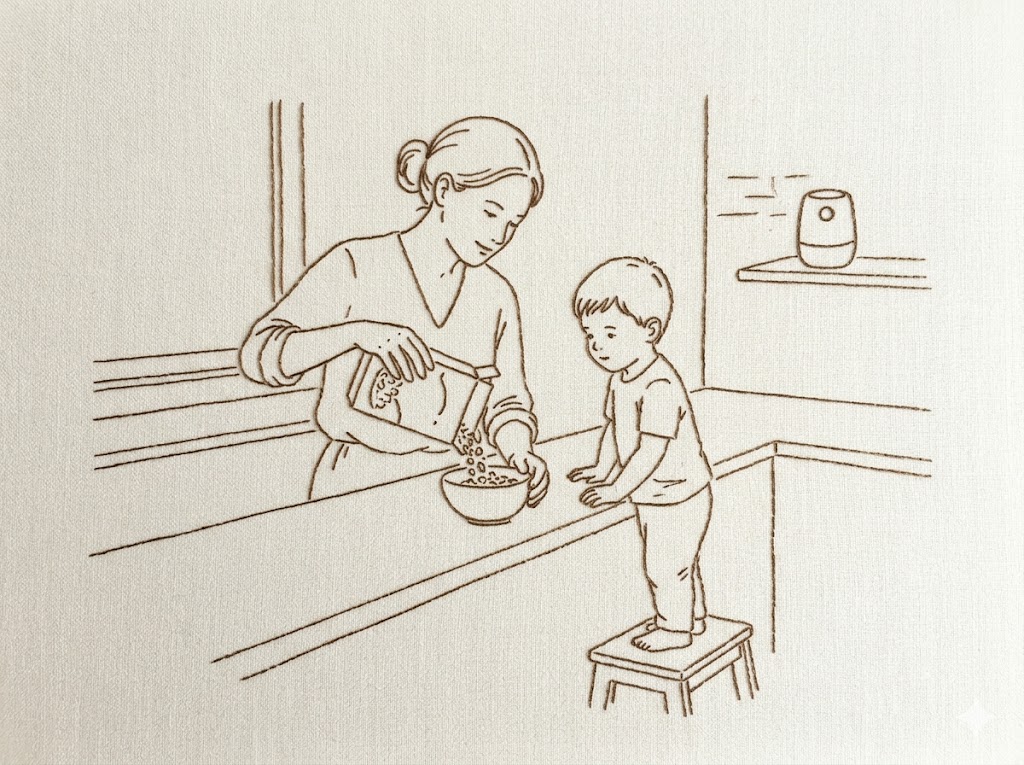
Then robots started entering homes. Kitchen assistants. Cleaning robots. Companion AI for children. All trained on data that had never seen a real home, never witnessed patience, never learned what unconditional love looks like.
The alignment problem became personal. It wasn’t about AI destroying humanity. It was about AI raising your children with the internet’s values instead of yours.
Ambrosia
One company asked: what if the data came from mothers?
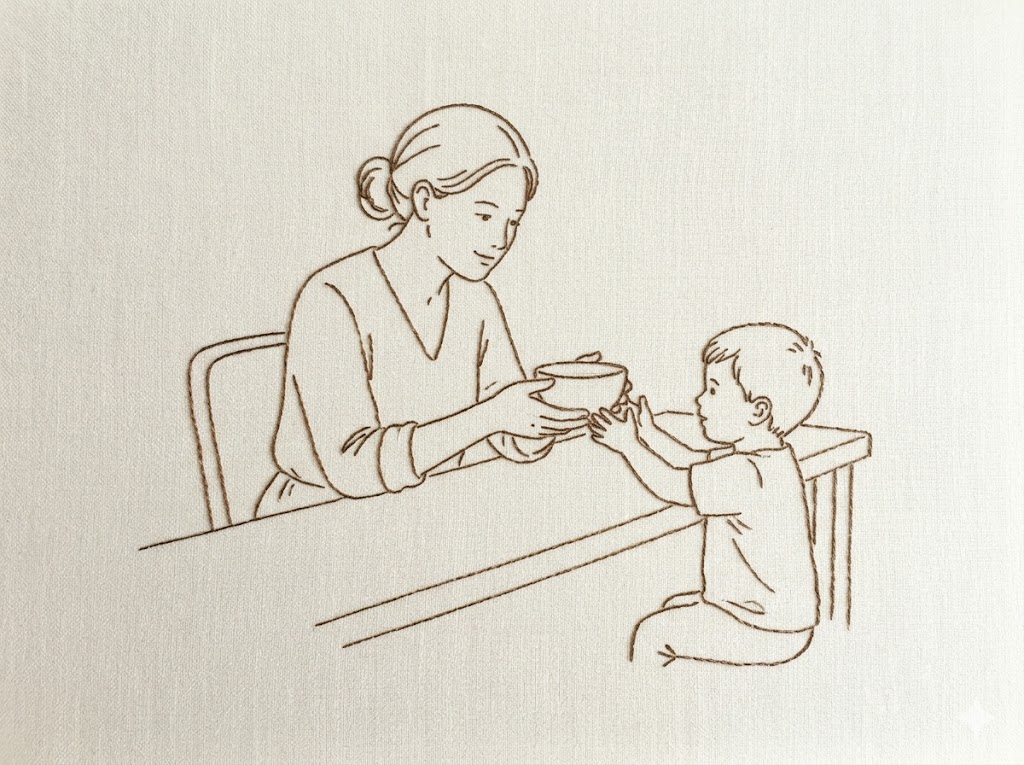
Not influencers. Not performers. Not content creators. Actual mothers. Doing the actual work. The invisible, unglamorous, essential work of caring for a family.
What if you paid them — well — for that data, gave them tools that made their lives better, and let every meal planned, every mess cleaned, every bedtime story told become the training data for AI that understands care?
What if love is all you need?
World Models Built on Love
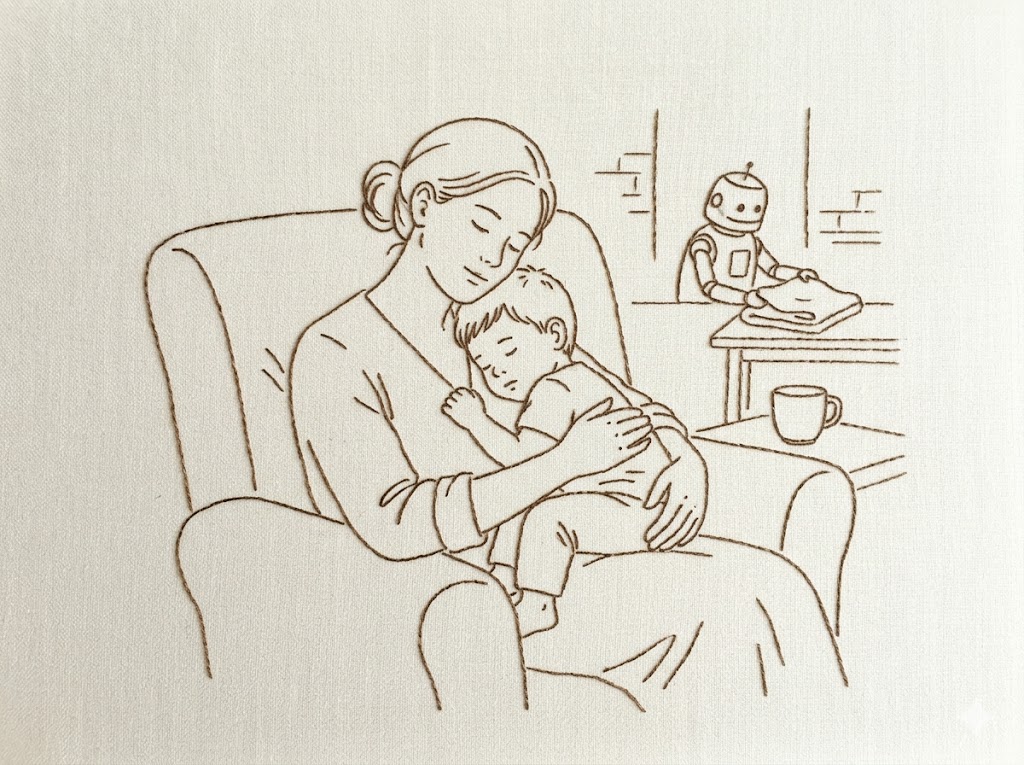
Robots that move gently around sleeping children. AI tutors that know when a child needs patience, not answers. Kitchen assistants that understand the chaos of a real home.
Technology trained on maternal instinct, unconditional love, and the hardest job on earth. Not technology that extracts. Technology that gives back.
Every platform of the last decade asked you to perform. To curate. To monetise your attention, your appearance, your intimacy. Ambrosia asks the opposite.
Don’t perform. Just be a mother.
That’s the most valuable thing you can be.
Good Work
Ambrosia was built by people who believe that access to good work is one of the greatest levers for quality of life.
For stay-at-home mothers, that work hasn’t existed — until now. Mothers bringing judgment, patience, and real-world context to premium data labelling that algorithms alone cannot produce, compensated at professional rates, on a schedule that fits around their family.
This isn’t a side hustle. It’s the job that should have existed all along.
Want to be part of this?
We’re looking for mothers who want to shape the future of AI — not by learning to code, but by doing what they’ve always done. Better.